What are the most common reasons for receiving a trademark office action?

Photo of Jan Buza

Written by Jan Buza

Co-founder of Trama

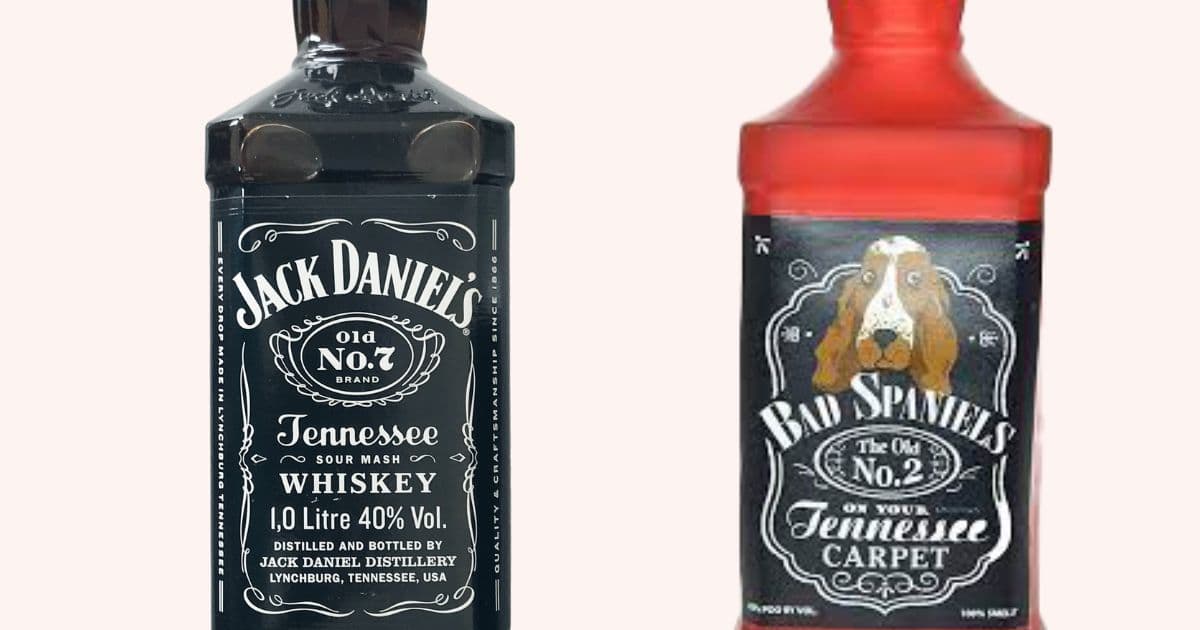
The two most common grounds for a trademark office action are likelihood of confusion and descriptiveness.

Likelihood of confusion arises when the examiner identifies an earlier registered or pending mark that is similar enough to the applied-for mark that consumers might confuse the two sources. This is the most frequent basis for refusal in the US.

Descriptiveness arises when the mark merely describes a characteristic of the goods or services rather than identifying their source. Marks that are generic, laudatory ("Best Quality"), geographically descriptive, or primarily a surname fall under this ground.

Other common reasons include formal deficiencies (errors in the application details, missing fees), specimen issues (US-specific, where the specimen does not clearly demonstrate use in US commerce), and goods and services descriptions that use terminology not recognized by the IP office.

Related articles

Advice icon

Haven't found what you are looking for?

Our team of experienced trademark attorneys is here to help you! Simply send us an email outlining your request and we'll be happy to assist you.